On Courage

How to Be a Dissident in an Age of Fear – A Pulitzer Winner’s Guide to Personal Courage in an Age of Authoritarianism

By: Julia Angwin and Ami Fields-Meyer

Publisher: Simon & Schuster

Recommended by: Steve G.

The United States is only the latest country to face a leader who wields fear as a weapon, punishes political enemies, disappears people off the street, and undermines free and fair elections. Today nearly three out of four people on earth live under authoritarianism, the highest rate since the late 1970s.

But even under repressive conditions, each of us holds the power to help defeat autocrats. Based on their acclaimed The New Yorker essay “So You Want to Be a Dissident?,” veteran reporter Julia Angwin and political strategist Ami Fields-Meyer give us a captivating – and profoundly hopeful – guide to courage in an age of fear.

Meet a student from Hong Kong who risked everything for democracy. A mom in a working-class neighborhood of Caracas who broke with the political movement that raised her. Cairo twentysomethings who staged a gutsy stunt to help bring down a dictator. A mild-mannered immigrant fighting to save a landmark U.S. civil rights law. People throughout the United States and across five continents who faced serious risks for dissenting in their workplace, their community, or their country. On Courage is the story of how they did it anyway – and how you can do it, too.

Blending rich, previously untold narratives with history, spirituality, and movement research, Angwin and Fields-Meyer deliver a highly accessible book full of practical lessons – an inspiring resource for anyone, anywhere, who feel the walls of history closing in on them. On Courage is a roadmap to political courage and a powerful case for how taking personal risks can help save the free world.

Biden Is Trying to Jolt Us Out of Learned Helplessness About Trump

NY Times, JANUARY 8, 2024

by Michelle Goldberg, Opinion Columnist

“Whether or not it was savvy for Biden to center his first campaign speech of the year on the danger Trump poses to democracy, his words had the virtue of being true. ‘Trump’s assault on democracy isn’t just part of his past,’ Biden said in the speech. ‘It’s what he’s promising for the future. He’s being straightforward. He’s not hiding the ball.’”

The Fix

Saving America from the Corruption of a Mob-Style Government

By: Barbara McQuade

Publisher: ‎ Seven Stories Press

Recommended by: Steve G.

In The Fix, Barbara McQuade draws on her decades of experience as a federal prosecutor to show us the detrimental effects of a government that uses corruption, cruelty, and chaos as tools of control. As a US Attorney, McQuade became all too familiar with corruption cases, prosecuting former Detroit mayor Kwame Kilpatrick, the “underwear bomber” Umar Farouk Abdulmutallab, and Volkswagen, among others. Here, she exposes how rampant corruption and cruelty are being weaponized to manipulate every facet of American life. Weaving together courtroom stories, lessons from history, and real-time legal analysis, McQuade shows how each corrupt offense, each act of cruelty, is a step toward total authoritarianism.

Yet The Fix is not just a critique of power gone awry. McQuade offers clear strategies that ordinary Americans can utilize, from organizing teach-ins and protests to running for local office, to reclaim the rule of law and ensure that elected officials serve the public’s interest, not their own.

Eye-opening and grounded in the author’s abiding faith in the US Constitution to help restore power to the people, The Fix is essential reading for anyone concerned about the future of America and ready to work together to take it back.

This Is the Formula That Defeated Orban. It Would Defeat Trump, Too

By M. Gessen, an Opinion columnist, and Mr. Bartha reported from Budapest.

Publisher: The New York Times

Recommended by: Bob B. and Bruce R.

Starting early in the morning on the second Saturday of May, first hundreds and then thousands of people gathered in the square in front of Hungary’s majestic Parliament building to celebrate the start of a new political era. This was the square where tens of thousands gathered in 1956 and 1989 to demand an end to the Soviet occupation and in 2006 to protest a discredited government. It was the square on which Prime Minister Viktor Orban’s regime imposed a major redesign more than a decade ago — with traffic rerouted away, a large reflecting pool and raised beds installed, narrow pathways laid down — apparently to ensure that no such mass gathering could take place again. Today it was the square where Peter Magyar, a former Orban loyalist, would be sworn in, promising a rebirth of democracy and liberty after 16 years of autocratic control.

Squeezing into the available spaces and gradually filling up nearby cafes and streets, the crowd absorbed people of all ages: young people who didn’t remember a time before Orban and who had voted in unprecedented numbers; aging intellectuals who didn’t think they’d ever celebrate their country again; multigenerational families who had arrived by bus after seeing Magyar in their hometowns and villages. During his campaign, Magyar had traveled to an estimated 700 locations, turning many of them into “Tisza islands” — outposts of support for his party. By the end, Magyar was holding five or more rallies a day.

It had looked like an impossible quest. Orban and his cronies dominated the media, persecuted and smeared opposition politicians and changed election laws to benefit his party, Fidesz. Orban had seemed to achieve what the Hungarian sociologist and political theorist Balint Magyar (no relation) calls “autocratic breakthrough” — the point after which it’s impossible to unseat an autocrat using elections. Illiberal politicians from other countries made pilgrimages to Hungary to learn from Orban; CPAC, the gathering for American national conservatives, started staging an annual convention there; and Vice President JD Vance visited Budapest in advance of the election, in a show of support for Orban. And yet Hungarians handed Tisza not just a victory but a constitutional majority, enough power to reverse Orban’s changes to Hungarian laws and institutions. The triumph was stunning — unique in our era of democratic backsliding — and it holds clear lessons for the United States.

Summary of the 10 main points

  1. One obvious lesson of Peter Magyar’s success lies in the scale, reach and relentlessness of his organizing network. “They had 2,000 Tisza islands with between 30,000 and 50,000 volunteers,”
  2. Old-fashioned in-person politics can be a powerful antidote to media fearmongering.
  3. Third lesson: Don’t mince words. Peter Magyar… [borrowed] a term coined by Balint Magyar, he has called it a mafia state — a fundamentally criminal enterprise.
  4. Magyar’s credibility lay in the fact that he was not a member of the old opposition, whose policies had led to the discontent that made Orban’s rise possible and whose timidity had helped perpetuate Orban’s power.
  5. That’s a fifth lesson: Grass-roots organizations that have little or no connection to electoral politics — in the United States, that might be the networks formed by the No Kings rallies, ICE-resistance groups and so on — can matter as much as or more than those already focused on winning votes.
  6. Another lesson lies in the issues that motivated Magyar’s voters. Hungarians seemed to see the damage that Orbanism had done to the nation as more important than any harm they felt they had suffered as individuals. They were united by a sense of moral outrage
  7. In some U.S. coverage, Magyar has been labeled centrist or right-of-center. What his politics actually are — and this is another lesson of his victory — is pluralist.
  8. a child sexual abuse scandal and a cover-up also appear to have played a significant role. Perhaps this is because such stories can shed a particularly harsh light on networks of power, and the abuses of power.
  9. Everyone I interviewed in Hungary insisted that regime change would not be complete until a full accounting of the abuses of the Orban regime had occurred and those guilty of crimes were punished
  10. another lesson of Magyar’s victory: His politics are aspirational and inspirational, a tone that is an antidote to the cynicism and vulgarity of autocracy.

In Magyar’s address:

“…rediscover how to see ourselves as a community once again,” he said. “Therefore, I ask you to turn toward those compatriots who are disappointed today, who are afraid, or who experience this period as a loss. Do not try to defeat them; do not look down on them. Listen to them and talk to them. Tell them that this country belongs to them, too; that they are needed, just as everyone is needed; and that together, we will rebuild Hungary, because there is no left, there is no right — only Hungarians.”

If you don’t have a NYT account, you can get an archived PDF:

Actually, Democracy Dies in H.R.

New research sheds light on how mediocre employees help would-be authoritarians maintain power.

By Amanda Taub

Recommended by: Bob B. and Bruce R.

Bob’s Comments

This article on authoritarianism and power shows why the broad topic of “civil discourse” has many dimensions. Which is why IPV has a “Books, Ideas, and Research Committee” to be on the lookout for significant and practical ideas useful for all of us in our democracy-building work.

This is in the NYT this morning, by Amanda Taub, “Actually, Democracy Dies in H.R.” The subtitle is a quick summary of what the article covers: “New research sheds light on how mediocre employees help would-be authoritarians maintain power.”

One could add that the research sheds light, too, on how mediocre citizens can help would-be authoritarians maintain power. So while understanding civil discourse is important, it turns out also to require some understanding of power, what holds a community together, personal incentives, the moral foundations of democratic engagement, etc.

Bruce’s Comments

I think these are the most important parts of the article that point to solutions.

Making a Career in Dictatorship,” a new book by two German political scientists, Adam Scharpf and Christian Glassel, reads like what you might get if you crossed Hannah Arendt’s ideas about the “banality of evil” with a business school guide on how to get the most out of low performers.

And:

Mr. Glassel and Mr. Scharpf are concerned that President Trump’s planned expansion of ICE, in particular, could make it an ideal venue for “detouring” by ambitious underperformers who could be deployed for anti-democratic purposes. The worry is especially profound given the storming of the Capitol at the end of Mr. Trump’s first term, albeit by a less organized band of loyalists.

The playbook for a leader to create a loyal security service, they said, is to set up or repurpose an institution that can become a “second ladder” for career promotions, resource it generously and ensure that the barriers to getting hired there are low, signaling that it offers career opportunities to those who cannot find them elsewhere.

I’ve read Hannah Arendt’s ideas about the “banality of evil,” but I don’t recall her giving any solutions. This article gives some clues about how to prevent this banality with accountability for individuals. Some obvious preventions:

  1. Abolish ICE and any other organization (e.g., DOGE) that has no oversight or accountability by multiple people or laws.
  2. Make sure there is no “second ladder” shortcut to promotions. Being part of an unaccountable organization should hurt one’s career, not help.

This is an important article, so I archived a PDF copy. You can read it here:

How to Be a Dissident

By Gal Beckerman
Apr 21, 2026
Publisher: Crown
Recommended by: Bruce R

An invigorating guide to fighting back—part philosophy, part history, and part manual for living with integrity in an age of conformity and authoritarian drift

How do we push back in a world where political leaders wield fear and intimidation? Where digital technology dehumanizes and flattens us? We need role models, and in this engaging book, acclaimed writer Gal Beckerman goes looking for them. Drawing on the stories of dissidents from around the globe and across time, from Socrates to Ai Weiwei, and thinkers like Hannah Arendt and Iris Murdoch, Beckerman reveals the defining characteristics these extraordinary figures share, a set of attributes and practices for anyone navigating the pressures of modern tyranny.

Structured around ten qualities—among them, Be Pessimistic, Be Funny, Be Reckless, and Be Immortal—this illuminating, surprising book blends intellectual history, biography, and cultural criticism. It charts a dissident’s journey from the solitary moment of recognizing the truth, through the risks of speaking it, to the legacy that can outlast a life. What makes dissidents tick? And how might we change when we encounter them?

Urgent and inspiring, Beckerman’s book shows that dissidence is a human capacity we can all cultivate, a refusal to betray one’s inner voice, no matter the cost. In a polarized America and a world sliding toward authoritarianism, we need dissidents—not only the jailed and martyred, but also those of us who face small daily compromises of conscience. How to Be a Dissident lights the way.


How To Resist Authoritarianism Without Losing Yourself | Gal Beckerman
VALOR Media Network and Kristofer Goldsmith (May 27, 2026)

Not in theory. Not in history books. Right now.

In this episode of On Offense, Kris Goldsmith speaks with Atlantic staff writer and author Gal Beckerman about his new book, How to Be a Dissident, and the deeper psychological questions raised by life under rising authoritarianism.

This conversation explores conformity, moral courage, propaganda, normalization, and the pressures that cause ordinary people to stay silent while democratic institutions erode around them.

But more importantly, we discuss what makes dissidents different, and Beckerman’s ten rules that shape them.

Drawing from dissident movements across history — and from the lived reality of the second Trump administration — Beckerman argues that resistance begins long before politics. It begins with the refusal to normalize cruelty, corruption, fear, and obedience.

Together, Kris and Gal discuss:

  • Why authoritarianism depends on adaptation and exhaustion
  • How propaganda reshapes identity and social behavior
  • The psychological pressure to conform
  • Why some people comply while others “sit apart”
  • The role of community and “neighborism” in resisting authoritarian politics
  • Why “hopeful pessimism” may be necessary for democratic survival
  • What integrity looks like in moments of democratic decline

This is a conversation about how human beings behave when institutions fail — and how we choose who we become in the process.

The key to defeating Trump? Mass non-cooperation

Our studies in civil resistance offer insight into the level of popular organizing needed to repel assaults on democracy.

by Mark Engler and Paul Engler

Publisher: The Guardian

Recommended by: Bob B.

In the wake of two horrifying killings of legal observers in Minnesota, on top of the abduction of countless immigrant community members, the country has reached a turning point. Backlash against ICE’s lawlessness and aggression has reverberated so loudly that even Trump has heard it. But the effects on ordinary Americans contemplating what they would do if they lived in Minneapolis or St Paul is perhaps even more profound.

The extraordinary level of grassroots solidarity and creative resistance in anti-ICE protests in Minnesota has given people a new appreciation for the power that mass non-cooperation can have in resisting the Trump administration’s drive toward authoritarianism. And it has created an awareness of why such action is clearly needed.

See also:

If We Burn

The Mass Protest Decade and the Missing Revolution

by: Vincent Bevins

Publisher: PublicAffairs

Recommended by: Bob B. – Vincent Bevins presents “a more nuanced picture of the 3.5% rule, with data showing that mass protests don’t always lead to the change that protestors want.”

From 2010 to 2020, more people participated in protests than at any other point in human history. Yet we are not living in more just and democratic societies as a result. Acclaimed journalist Vincent Bevins carried out hundreds of interviews around the world, guided by a single, puzzling question: How did so many mass protests lead to the opposite of what they asked for?

The result is a stirring work of history that connects events in a dozen countries and reveals that conventional wisdom on revolutionary change is gravely misguided. From the so-called Arab Spring to Gezi Park in Turkey, from Ukraine’s Euromaidan to student rebellions in Chile and Hong Kong, Bevins provides a blow-by-blow account of street movements and their consequences, recounted in gripping detail. In this groundbreaking study of an extraordinary chain of events, protesters and major actors look back on successes and defeats, offering urgent lessons for the future.

Keep Your Guard Up

Know Your Rights

By ACLU

Last month, the Bay Area braced for a surge of National Guard soldiers and federal immigration agents. Although Trump ultimately called off the troops, in the short time Border Patrol officers were here, they fired flash-bang grenades at peaceful community members and shot a pastor in the face with a pepper ball. The unprovoked violence was a chilling glimpse of how future immigration raids could unfold here. That’s why we can’t become complacent.

Be prepared and know your rights in case federal agents show up anywhere in our region:

This is from the ACLU’s Know Your Rights page.

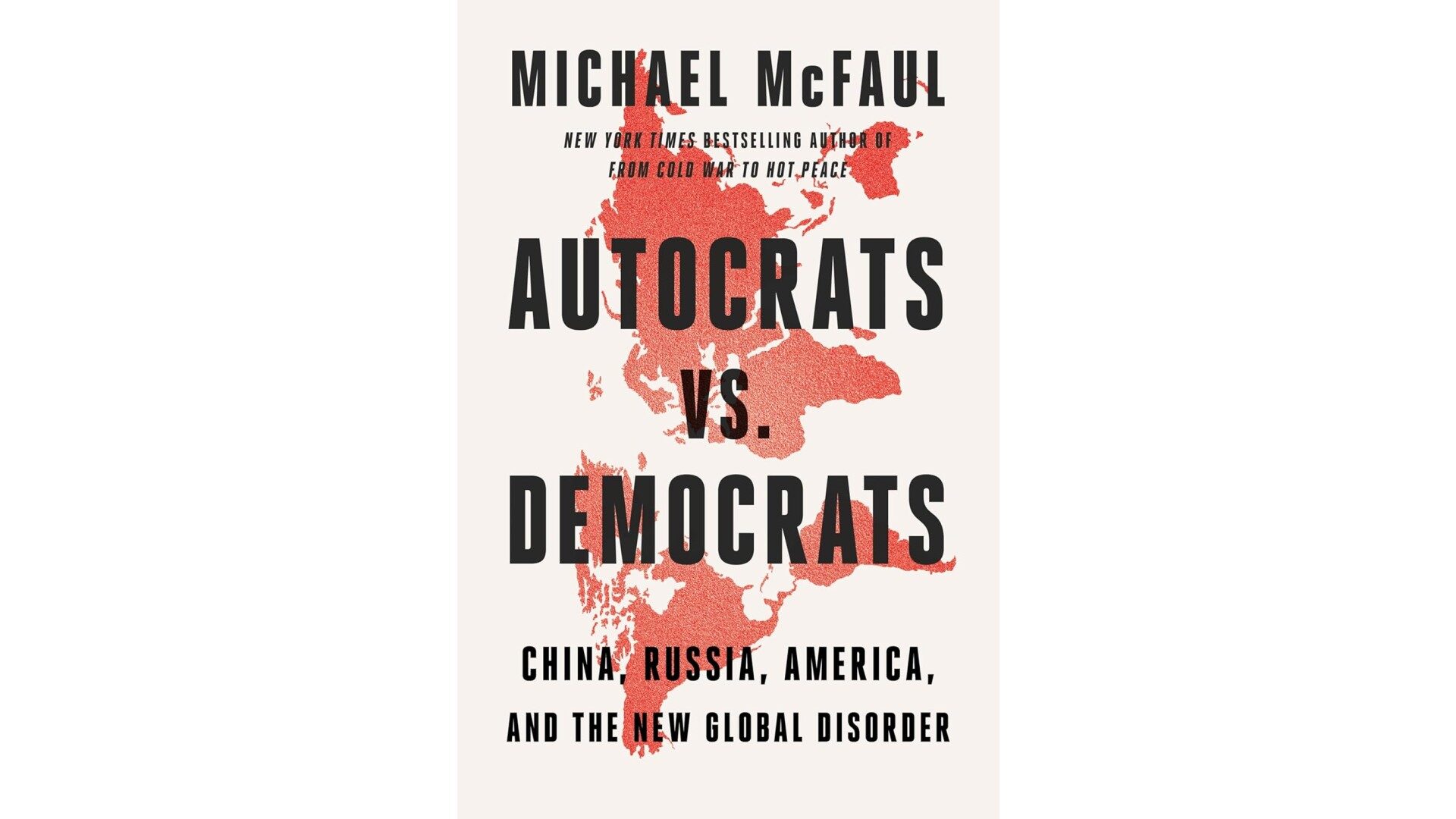
Autocrats vs. Democrats

China, Russia, America and the New Global Disorder

by Michael McFaul

Publisher: Mariner Books

“A history, an analysis, and a set of prescriptions for the greatest geopolitical challenge of our time: the threat to the democratic world posed by China and Russia.” —Anne Applebaum, author of Autocracy, Inc.

“A monumental account of contemporary geopolitics”—Francis Fukuyama, author of Liberalism and Its Discontents
From New York Times bestselling author and former ambassador to Russia Michael McFaul comes a bold, clear-eyed look at how the autocracies of China and Russia are challenging the current global order, and how America’s future depends on successfully confronting this threat.

The ONE THING You Can Do to Fight Fascism RIGHT NOW

by Elizabeth Cronise McLaughlin

Publisher: The Ripple Effect Institute

Recommended by: Bruce R.

If it feels like America is sliding deeper into darkness—with voter suppression, book bans, gag orders, and fear spreading daily—you’re not alone. The truth is, fascism thrives when good people hesitate, but democracy grows stronger when ordinary people take action. You don’t need the full roadmap to change the world; you just need to take the next best step. Even the smallest action—whether it’s organizing in your community, speaking out at a school board meeting, or showing up for your neighbors—can disrupt authoritarianism and build momentum for lasting change. In this video, I’ll share why action is the antidote to despair and how you can start making a difference today, no matter your resources or time. History shows us that small acts, multiplied by thousands, topple regimes and create movements. Don’t wait for the “perfect” moment or the “perfect” leader—your courage matters now.

A FREE GUIDE FOR PROGRESSIVE LEADERS READY TO CREATE LASTING IMPACT

How to Lead Change Without Burning Out

READ MY ESSAYS ON POLITICS AND ACTIVISM ON SUBSTACK

Beyond Left & Right

Making Sense of Politics in a World of Increasing Misinformation and Manipulation

by Lorenzo Burton

Tired of the endless division, misinformation, and manipulation in today’s political climate?
Beyond Left & Right cuts through the noise to reveal how political systems truly function—and how to recognize when we’re being misled by those in power. In a world where confusion and bias are often used as tools of control, it helps you think more clearly, question more deeply, and see through the fog to understand what’s really going on.

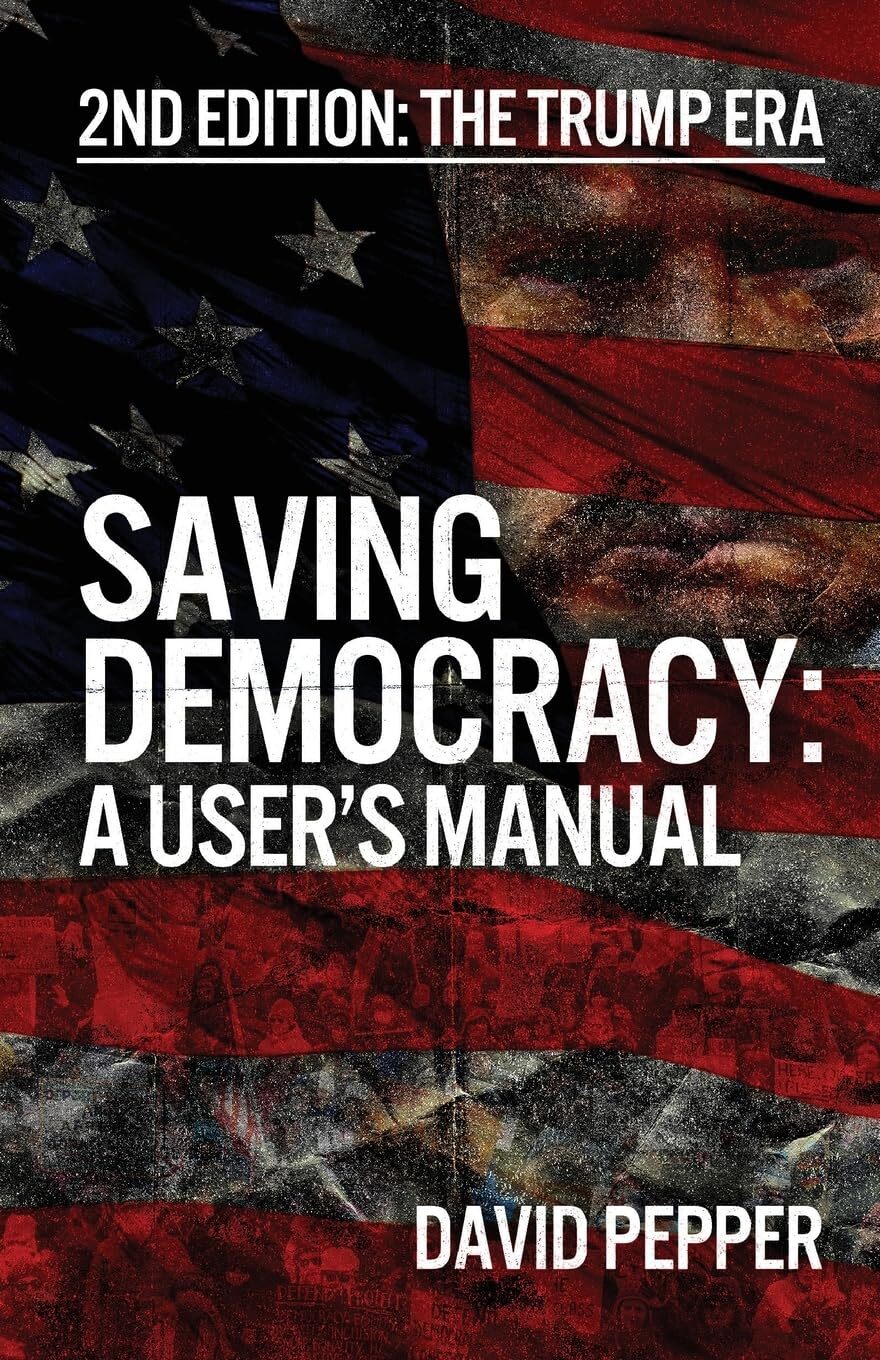
Saving Democracy

A User's Manual for Every American: 2nd Edition: The Trump Era

by David Pepper

Publisher: St. Helena Press

Recommended by: Steve G.

Saving Democracy is that rare book that doesn’t simply diagnose the crisis our democracy faces, and the broader strategies that we must take to fight back…but it breaks it all down so that every reader understands the role she or he can play in their own lives.

Buy

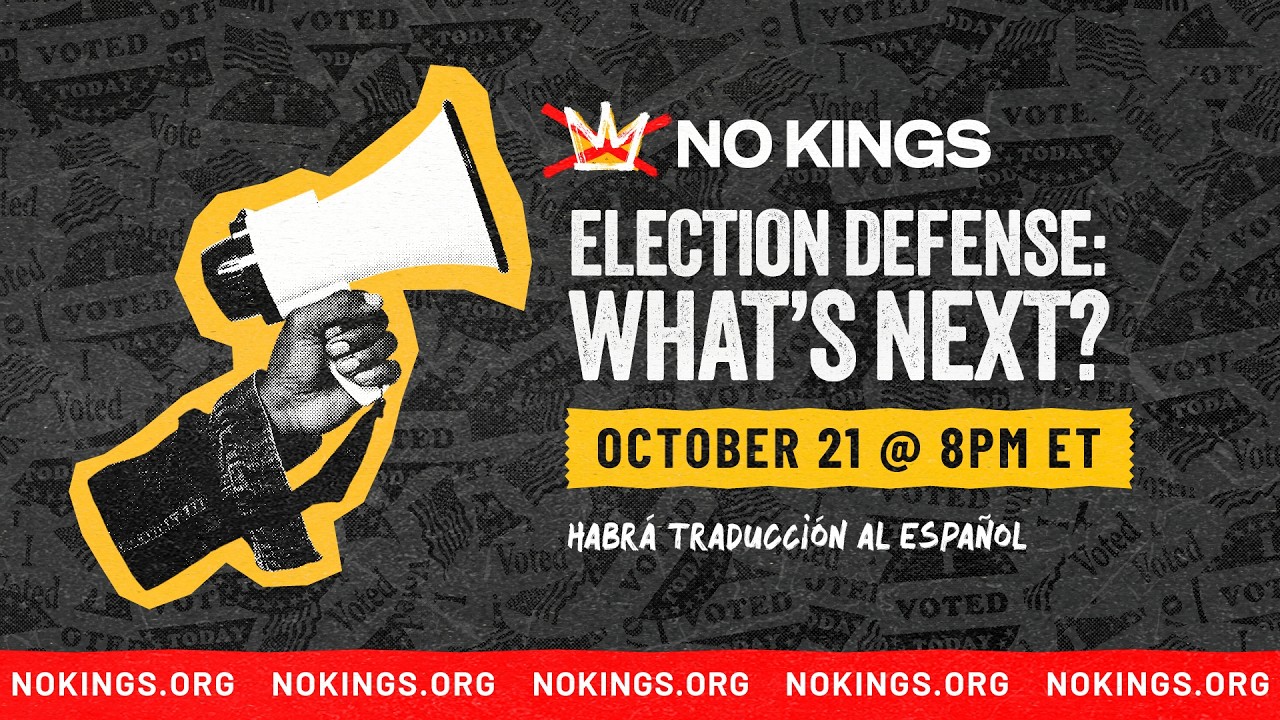
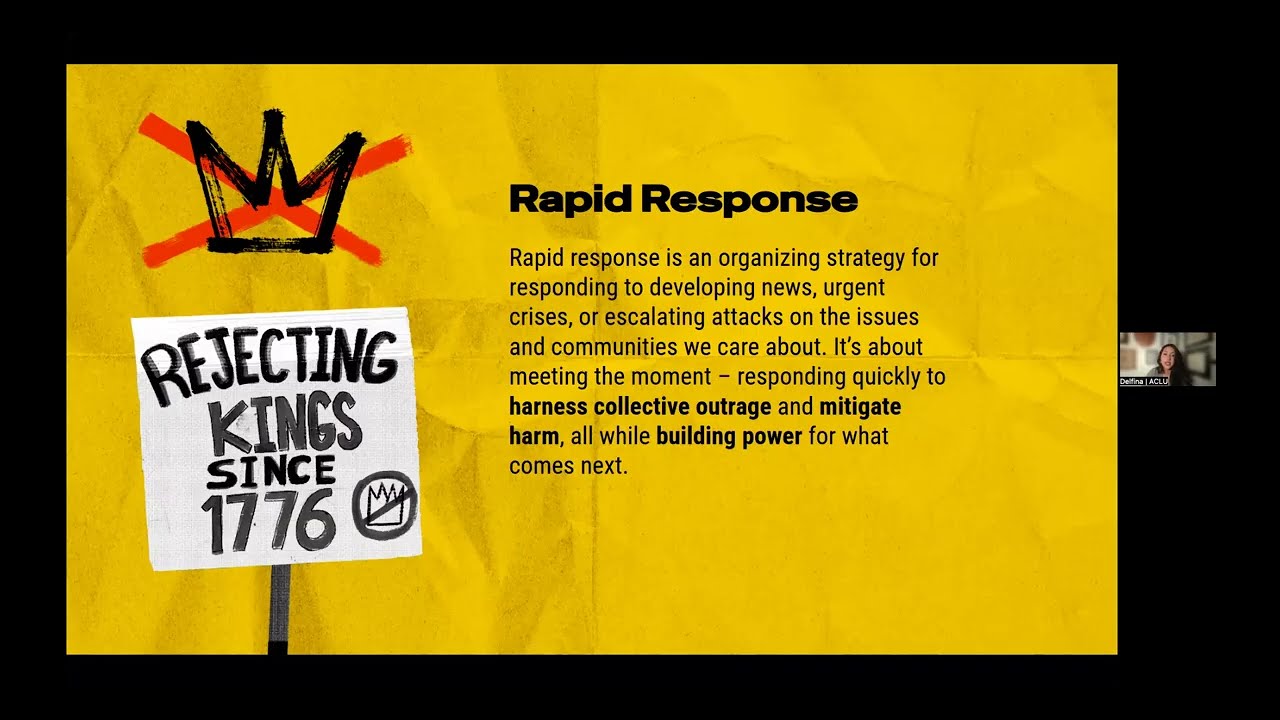
No Kings

For the latest information about No Kings events, go to this website: https://www.nokings.org

About No Kings

In June, we did what many claimed was impossible: peacefully mobilized millions of people to take to the streets and declare with one voice — America has No Kings. And it mattered. The world saw the power of the people. President Trump’s birthday parade was drowned out by protests in every state and across the globe. His attempt to turn June 14 into a coronation collapsed, and the story became the strength of a movement rising against his authoritarian power grabs.

Four months later, that movement roared back even stronger. On October 18, over seven million Americans joined 2,700+ events in all 50 states — a nationwide uprising 14 times larger than both of Trump’s inaugurations combined. What began in June as a single day of defiance has become a sustained national resistance to tyranny, spreading from small towns to city centers and across every community determined to defend democracy.

Now, President Trump has doubled down. His administration is sending masked agents into our streets, terrorizing our communities. They are targeting immigrant families, profiling, arresting, and detaining people without warrants. Threatening to overtake elections. Gutting healthcare, environmental protections, and education when families need them most. Rigging maps to silence voters. Ignoring mass shootings at our schools and in our communities. Driving up the cost of living while handing out massive giveaways to billionaire allies, as families struggle.

The president thinks his rule is absolute. But in America, we don’t have kings — and we won’t back down against chaos, corruption, and cruelty.

Our peaceful movement is only getting bigger. “No Kings” is more than just a slogan; it is the foundation our nation was built upon. Born in the streets, shouted by millions, carried on posters and chants, it echoes from city blocks to rural town squares, uniting people across this country to fight dictatorship together.

Because this country does not belong to kings, dictators, or tyrants. It belongs to We the People — the people who care, who show up, and who fight for dignity, a life we can afford, and real opportunity. No Thrones. No Crowns. No Kings.


Resources

Signal and Whatsapp as Organizing Tools – Google Doc

Build Power Locally – Google Doc

Sustained Action Between & Beyond No Kings – Google Doc


No King YouTube Channel

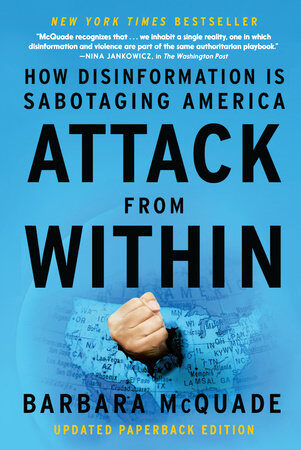
Attack from Within

How Disinformation is Sabotaging America

by Barbara McQuade

Publisher: Penguin Random House

UPDATED EDITION: The MSNBC legal analyst explores the impact of disinformation after the 2024 presidential election—and what Americans can do before it’s too late.

“A comprehensive guide to the dynamics of disinformation and a necessary call to theethical commitment to truth that all democracies require.” —Timothy Snyder, author of On Tyranny

Disinformation—the deliberate spreading of lies disguised as truth, whether from opportunists on the far right, misinformed media influencers, or others—is fragmenting America more than ever before, pushing the nation toward extreme views, civil unrest, and violence.

In this bestselling book, now with a new foreword by the author, Barbara McQuade identifies how disinformation is seeping into all facets of our society, causing havoc in our voting systems, schools, hospitals, workplaces, and the Capitol.

McQuade, an MSNBC legal analyst and former federal prosecutor confronts the ways disinformation is being weaponized to polarize voters, degrade our legal structures, and leverage the political influence of manipulators and authoritarians. Now newly updated, Attack from Within shows us how to fight back against misinformed, extremist thinking and work toward preserving America’s hard-won democracy.

Buy

Some Actions That Are Not Protesting or Voting

Some examples:

ANTI-CRIMINALIZATION

COMMUNITY DEFENSE/MIGRANT JUSTICE

(Archive Link)

This came from the Mutula Aid 101 course.

How to Organize Our Way Out of the Trump-Musk Putsch

A plan to harness grassroots energy—and to hold Democratic leaders accountable.

by Ezra Levin, Leah Greenberg

Summary

Indivisible founders, Ezra Levin and Leah Greenberg, wrote this inspiring article for The Nation. Reviewed by Rachael Maddow.

Continue reading How to Organize Our Way Out of the Trump-Musk Putsch

Defy

The Power of No In a World That Demands Yes

by Sunita Sah

Publisher: Random House

Imagine living the life you want to lead, not the one you’re willing to accept. This profound but practical book offers clear steps to stop people pleasing and start living your truth.

“A powerful book. If you’ve ever compromised your principles to please others, Defy will give you the will—and skill—to stand up for yourself.”—Adam Grant, #1 New York Times bestselling author of Think Again

Buy

Indivisible: A Practical Guide To Democracy On The Brink

If there’s one universally accepted truth in the modern age, it’s that sequels suck. And Trump 2.0 will be no exception. Trump, Vance, and their MAGA minions feel vindicated by the victory of their bigoted, fascistic clown show of a presidential campaign. Trump takes office with a plan to institute the worst parts of Project 2025. He’ll be enabled by a judiciary packed with right-wing ideologues and a congressional majority stacked with MAGA foot soldiers. And he’s assembled a bloc of corporations and billionaires eager to do his bidding in exchange for tax cuts and corrupt favors. But he has no mandate for the staggeringly harmful agenda he’s about to unleash on the country. And together, we have the power to fight back — and win.

Resource GuideArchive

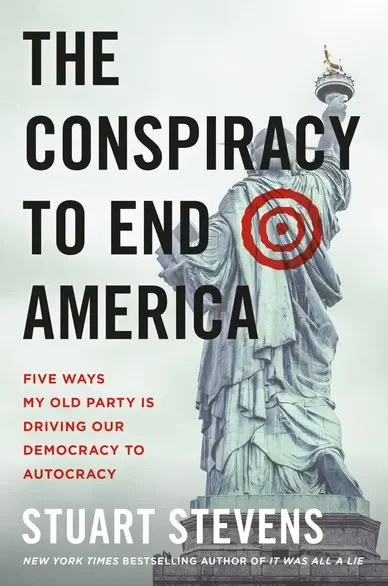
The Conspiracy to End America

Five Ways My Old Party Is Driving Our Democracy to Autocracy

by Stuart Stevens

Publisher: Hachette Book Group

Former chief Republican strategist, Lincoln Project adviser, and bestselling author of It Was All a Lie, Stuart Stevens offers an ominous warning that the GOP is dragging our country toward autocracy—and if we don’t wake up to the crisis in our system, 2024 may well be our last free and fair election.

 
INTERVIEW: Stuart Stevens talks to Brian Watt (KQED) at the Commonwealth Club

Buy

Lincoln Square

Newsletter

Publisher: Lincoln Square

When you join Lincoln Square, you are more than a passive consumer of content – You are a critical member of the Ferocious Opposition. We’ll provide you with the truth that you need and the tools to help spread the antidote to Trump, MAGA, Musk, and what once was a legitimate major political party in our country, the Republicans.

Lincoln Square founders introduce LSM here. 

About

Lincoln Square is a collaborative effort with The Lincoln Project, America’s leading pro-democracy organization. It’s an ambitious effort to rethink how the media fights against autocracy, disinformation, and the flood of attacks on truth and our democracy. We don’t pull punches. We don’t cower in fear and hope Trump, Musk, and their minions don’t notice us and be spared their wrath.

We aren’t legacy media. We don’t have billionaire backers or corporate overlords directing what we can and cannot say.

Our mission is to expose, inspire, inform, lead, and connect — and give you the tools not just to fight back, but fight forward for the America we all deserve – not just the broligarchs and kleptocrats. We fight for the rights of all of us because it takes all of us for America to achieve her extraordinary potential. And we’re getting louder than ever with podcasts, live streaming, digital and social media, commentary, articles, town halls, public and virtual community gatherings, and strategy calls with people like Rick Wilson, Stuart Stevens, and Joe Trippi, who have led the biggest campaigns — and won.


Latest Articles

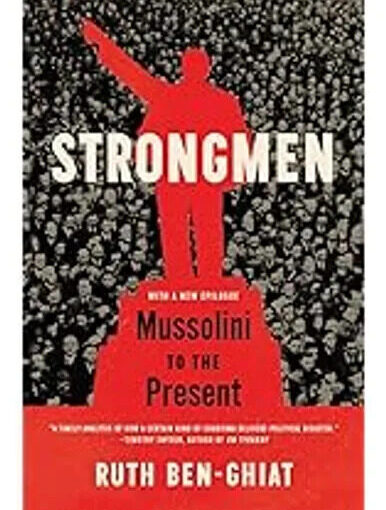
Strongmen

Mussolini to the Present

by Ruth Ben-Ghiat

Publisher: W. W. Norton & Company

Ruth Ben-Ghiat is the expert on the “strongman” playbook employed by authoritarian demagogues from Mussolini to Putin—enabling her to predict with uncanny accuracy the recent experience in America and Europe. In Strongmen, she lays bare the blueprint these leaders have followed over the past 100 years, and empowers us to recognize, resist, and prevent their disastrous rule in the future.

Read Review


Strongmen, Oligarchs, & Fascists: Thinking Live with Ruth Ben-Ghiat

A recording from Timothy Snyder’s live video with Ruth Ben-Ghiat (Jun 15, 2026)


Ruth Ben-Ghiat interviewed by Dean Peter Arnade at University of Hawai

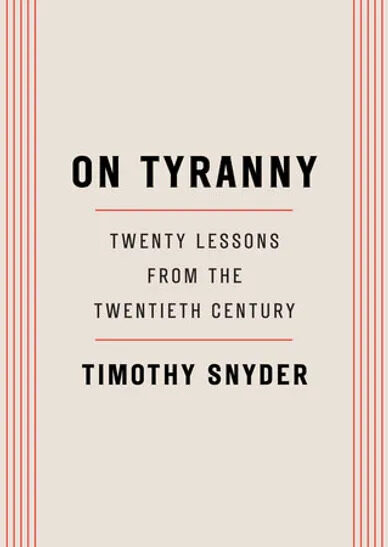
On Tyranny

Twenty Lessons from the Twentieth Century

by Timothy Snyder

Publisher: Crown

Timothy Snyder provides a stark warning for the future of American democracy. Too easily we are ignoring the ways in which tyranny starts to eat away at democracy. As our political system faces new threats – not unlike those faced by democracies in the 20th century – we must look to the past to safeguard our future.

INTERVIEW: Listen to Professor Snyder discuss his book at Politics and Prose Bookstore

Read Review

Buy

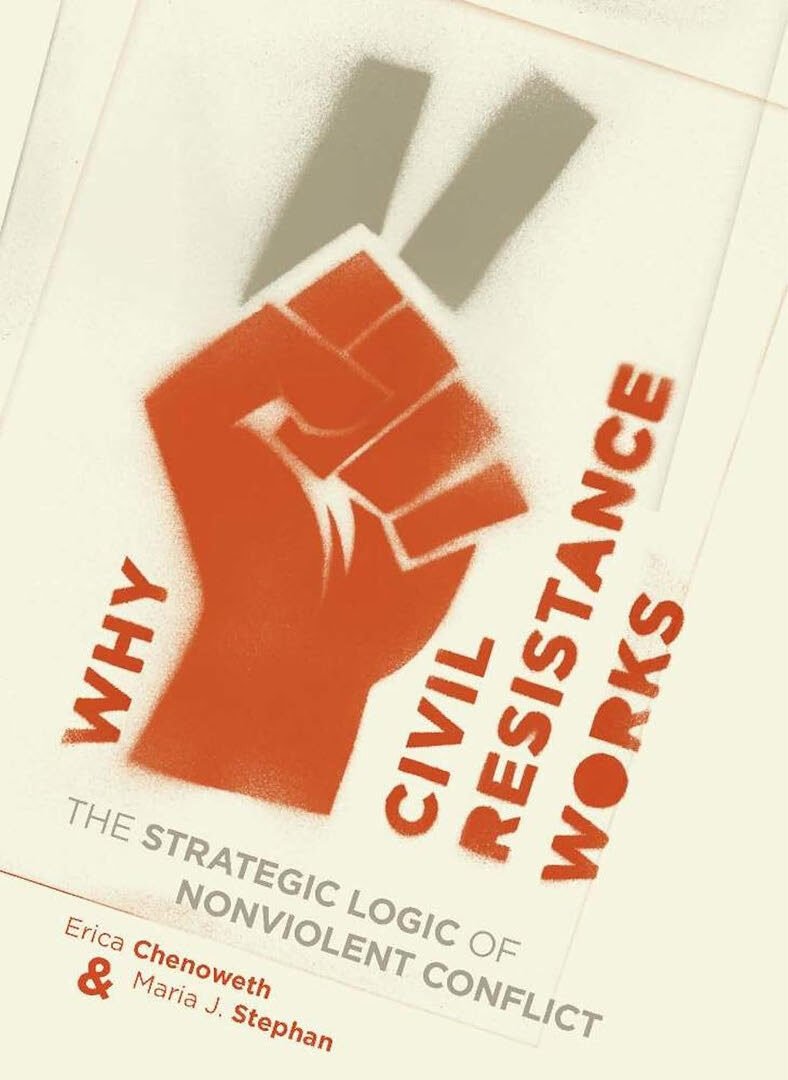
Why Civil Resistance Works

The Strategic Logic of Nonviolent Conflict

by Erica Chenoweth and Maria Stephan

Publisher: Columbia University Press

For more than a century, from 1900 to 2006, campaigns of nonviolent resistance were more than twice as effective as their violent counterparts in achieving their stated goals. By attracting impressive support from citizens, whose activism takes the form of protests, boycotts, civil disobedience, and other forms of nonviolent noncooperation, these efforts help separate regimes from their main sources of power and produce remarkable results, even in Iran, Burma, the Philippines, and the Palestinian Territories.

Combining statistical analysis with case studies of specific countries and territories, Erica Chenoweth and Maria J. Stephan detail the factors enabling such campaigns to succeed and, sometimes, causing them to fail. They find that nonviolent resistance presents fewer obstacles to moral and physical involvement and commitment, and that higher levels of participation contribute to enhanced resilience, greater opportunities for tactical innovation and civic disruption (and therefore less incentive for a regime to maintain its status quo), and shifts in loyalty among opponents’ erstwhile supporters, including members of the military establishment.

Buy

Strategizing For A Living Revolution

by George Lakey

Publisher: History As A Weapon

Recommended by: Bruce R.

This article is a comprehensive strategic framework for nonviolent revolution, combining historical case studies, practical organizing guidance, and theoretical insights about movement building.

Read Article

Archive

Lest Innocent Blood Be Shed

The Story of the Village of Le Chambon and How Goodness Happened There

By: Philip P. Hallie

Publisher: Harper Perennial

Recommended by: Linda H.

“The story of Le Chambon, a Huguenot village in France that saved Jews during WWII, has lived in my heart for years. Imagine my shock and joy to find a You Tube featuring the village as I scrolled through Heather Cox Richardosn’s second traunch of 250 for 250.”

During the most terrible years of World War II, when inhumanity and political insanity held most of the world in their grip and the Nazi domination of Europe seemed irrevocable and unchallenged, a miraculous event took place in a small Protestant town in southern France called Le Chambon. There, quietly, peacefully, and in full view of the Vichy government and a nearby division of the Nazi SS, Le Chambon’s villagers and their clergy organized to save thousands of Jewish children and adults from certain death.